I got into SEO
by accident.
SEO was the entry point. Nine years later, the work has pulled me across organic search, paid media, email, conversion strategy, and lifecycle marketing. The through line is the same: find where the growth is stuck and fix it.
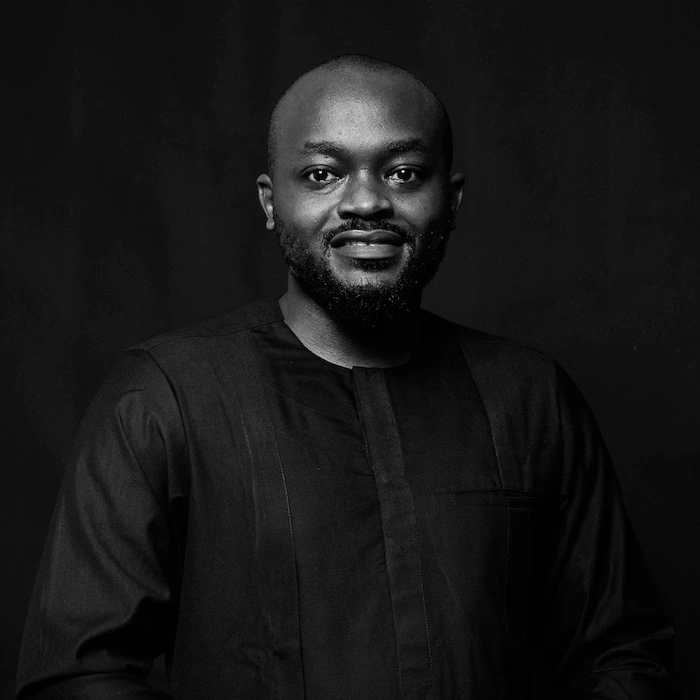
I was exploring digital marketing skills and SEO caught my attention. I come from an engineering background, so the technical side made immediate sense. And the results were concrete in a way I liked: rankings, traffic, conversions. Things you could measure.
Then I Googled my own name and watched the first website I’d ever built appear in the results. That moment did something to me. Not the vanity of seeing my name. The realisation that I had made something show up on Google. And the obvious question that followed: what else could I make show up?
That question has driven nine years of work across 40+ clients in fintech, e-commerce, SaaS, real estate, oil and gas, hospitality, health, fashion, fitness, and FMCG.
The shift that changed everything.
The first few years, I celebrated traffic wins. Page one rankings felt like the finish line. Traffic up 50%? Success. But at some point I started paying attention to what happened after someone clicked.
And the pattern I kept seeing across clients was the same: every channel was treated as its own problem owned by its own person. SEO brought traffic but nobody watched what it did. Paid ads generated leads but nobody built a system to convert them. Email lists grew but nobody segmented or sequenced them. The gap between getting attention and turning it into revenue is where most of the money was dying.
That’s when the work changed. One client needed paid social because there was no search demand for their product. Another needed email lifecycle campaigns because leads were signing up and going cold. Another needed conversion strategy because the traffic was there but the funnel was leaking at every stage. Each problem pulled me deeper into a new discipline.
I stopped being an SEO specialist and started being the person who finds where growth is stuck and fixes it, whatever channel that happens to require. The case studies tell that story more clearly than I can: a $3 CPA on paid social for a B2B SaaS product. 185 paid conversions from two email sequences. A 5x conversion rate improvement on an existing traffic base. 24,900% organic growth for a crypto exchange. Each one required a different skillset. Each one was about the same thing: revenue.
How I work with clients today.
I work with a small number of clients at a time. That’s not false scarcity. It’s how I stay close enough to the work to be genuinely accountable for it.
Some clients want a retainer partner who owns their growth strategy across channels month over month and executes it alongside their team. Others need a specific project completed: an audit, a content system, a paid media setup, an email programme, or their team trained. Both work. The right fit depends on where you are and what you actually need.
A bit more, if you want it.
I read obsessively about how these systems actually work. Not just industry blogs and platform documentation, but primary sources: patents, court transcripts, internal documents that surface in antitrust proceedings. I find it genuinely interesting. I also think it makes me a more precise consultant than one who only reads what Google or Meta wants you to know.
I work best with clients who treat growth as a long-term investment, who want to understand the strategy behind what I’m doing rather than just receive a report, and who are serious about the revenue outcome rather than the vanity metrics.
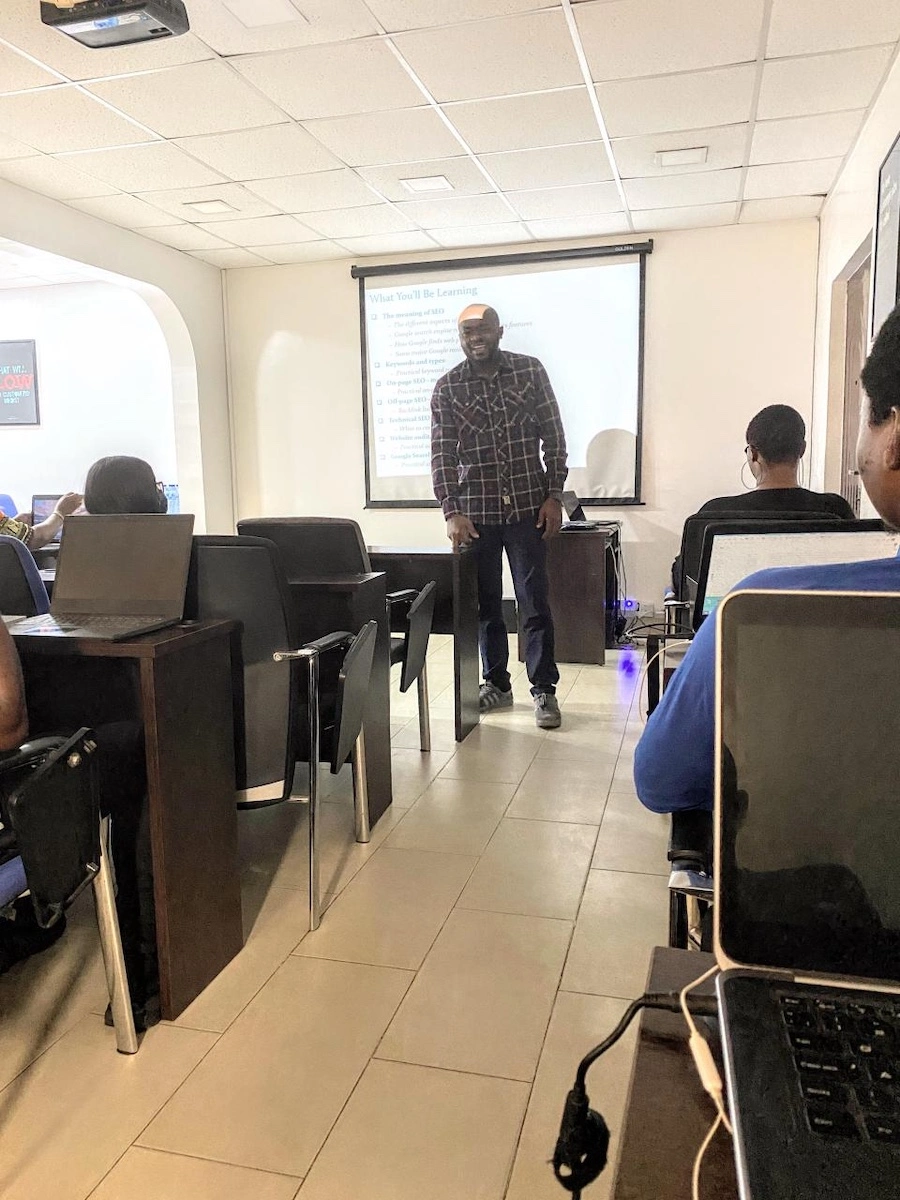
I also teach what I know.
Marketing teams, digital marketing professionals, and students at training centres. If you want to build SEO, growth marketing, or paid media capability in-house rather than outsource it indefinitely, that’s a conversation I enjoy having.
The training is built around first principles: why these systems work the way they do, not just which steps to follow. When your team understands the why, they can adapt when the tactics change.
See training detailsSome of the brands in
client engagements.












Clients worked with include businesses in fintech, crypto, e-commerce, SaaS, enterprise banking, real estate, oil and gas, hospitality, health, fashion, fitness, and FMCG across Nigeria, Ghana, Singapore, the United States, and the United Kingdom.
Every channel is a
conversion problem.
Most people just
don’t treat it that way.
The specifics change by channel. SEO is about matching content to buyer intent and earning enough authority that search engines trust you. Paid media is about putting the right offer in front of the right person at a cost that makes the math work. Email is about sending the right message to the right segment at the right moment in their relationship with your product.
But the underlying principle is the same every time: understand what the person needs at this specific point, deliver it clearly, and remove the friction between interest and action.
Most businesses treat each channel as a separate silo with its own team, its own metrics, and its own definition of success. SEO celebrates traffic. Paid celebrates impressions. Email celebrates open rates. Nobody is watching the full path from first touch to revenue. That’s the gap I sit in.
Whether the work is organic search, paid social, email lifecycle, or conversion strategy, the question I’m always asking is the same: is this producing revenue, and if not, where exactly is it breaking?
Small client list.
Big accountability.
I work with a small number of clients at a time, on purpose. Here’s how engagements typically work.
Free 30-minute strategy call
We talk about your business, your goals, and what you’ve already tried. No slide deck, no pitch. You leave with a clear picture of what’s holding back your growth and what I’d recommend, whether that’s SEO, paid media, email, conversion work, or a combination.
Audit and strategy
I dig into your full growth picture: site performance, search visibility, paid media efficiency, email programme health, funnel conversion rates. The audit finds what’s actually broken, determines the priority order, and becomes the roadmap for the engagement.
Execute and measure
Strategy gets implemented, either by me or by your team working from detailed briefs. Performance is tracked against revenue metrics, not vanity ones. What’s working gets scaled. What isn’t gets revised or cut.
Thirty minutes.
No slide deck.
Book the free strategy call. You’ll leave with a clear sense of what the problem is and what I’d recommend. Whether we end up working together or not.